


Wedowee Utilities Board reveals over $670,000 in past vendor payments to Wedowee mayor Tim Coe
PROTECTED CONTENT
If you’re a current subscriber, log in below. If you would like to subscribe, please click the subscribe tab above.
Username and Password Help
Please enter your email and we will send you a password reset link.
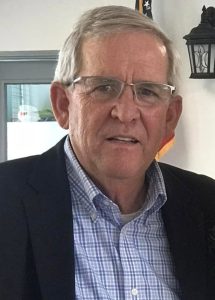
According to Utilities Board records, Wedowee mayor Tim Coe received over $670,000 in vendor payments over a 12-year period during his time as the board’s administrator.
Wedowee Utilities Board administrator Randy Benefield has uncovered a large sum of money that was paid to a former employee under questionable auspices, and the board is now in the process of seeking answers as to whether they are owed that money back.
Benefield presented the findings to the board at its most recent meeting Wednesday morning. (A video of that meeting and Benefield’s full comments can be heard by clicking here.)
Those findings are not inherently criminal, but they do call into question consistent payouts that were made to a former employee and totaled over $670,000 over a 12-year period. They were payments that were made in addition to the employee’s regularly scheduled compensation.
“I’m not accusing anybody of any wrongdoing. Let me go up front and say that,” Benefield told the board Wednesday. “However, there’s questions that come up, and it’s my duty in my position according to the ethics board that I bring this stuff up.”
Benefield did not name the employee in the meeting, but vendor payment records obtained by the Leader show that the dollar amounts presented to the board match payments made to current Wedowee Mayor Tim Coe. Coe was the administrator of the Wedowee Utilities Board in 2005 – when the records of the payouts begin – until 2017 when he was named the chairman of the utilities board. He also was serving as the town’s mayor during that time. The checks were a regular payout that took place from 2005-2017.
According to Benefield’s findings, the employee later identified as Coe received minimally labeled payouts as vendor reimbursements for things like mileage and the purchase of chemicals for treatment of the board’s lagoon.
The reason the payouts raised alarms was because the amounts and the way in which they were documented were not fully consistent with the way similar board expenses were paid at the time.
One group of payments included checks written from the utilities board, sometimes multiple times per week, to reimburse Coe for mileage for what is labeled as lagoon maintenance.
“Essentially this comes to, over that period of time, $300-and-something thousand dollars in extra payments,” Benefield told the board at Wednesday’s meeting. “There’s no board meeting minutes where they approved this individual getting the extra pay. It just started happening.”

Coe spoke to the Leader Thursday morning and defended those mileage payouts, saying they were not excessive.
“It may appear to be excessive, but they weren’t. I kept up with my mileage, and I got reimbursed for it,” Coe said.
In addition, payments that were sometimes labeled as lagoon chemical purchase reimbursements and sometimes not labeled at all, were made monthly to the same employee in the amount of just over $3,400 per month over the same time period.
Coe said Thursday that lagoon maintenance fell under his purview during his time as administrator, and those costs were legitimate.
“I was in charge of the lagoon, and I did buy a lot of chemicals to use over there,” Coe said. “Somebody’s got to buy that stuff, and I had the contacts.”
Benefield told the board that the amounts of the payouts were what raised a red flag.
“I can tell you today we use about $1,700 in chemicals a year,” Benefield said, pointing out that the monthly payout to Coe was double the current annual expense. “This is every month there is an extra check wrote with no backup whatsoever, also totaling over $300,000.”
In all 300-plus payments were made totaling over $670,000 over the 12-year period.
According to the utilities board’s records, the extra vendor payments stopped with a final payment of $2,764.70 on December 6, 2017.
“I feel comfortable in saying [these were legitimate payments],” Coe said, before indicating he probably does not still have the paperwork on those transactions. “As far as documentation from something that happened 15-20 years ago, probably not likely.”
Benefield said he has already reported his findings to the state attorney general’s office and is awaiting advice on how to proceed.
“It’s got to be looked at,” he said. “And I would like, if it’s in the wrong, I feel like by the end of the year we need to go after and collect our money back with back interest. It’s unfair to the public for us to go to the public for money all the time when we have things – and again, I’m not saying anything was wrong. But there’s questions that need to be answered.”
